
The Curious History of Play Money
Play money has existed in one form or another for well over a century, and while it has never been intended to replace real currency, it has played an important role in learning, entertainment, and imagination.
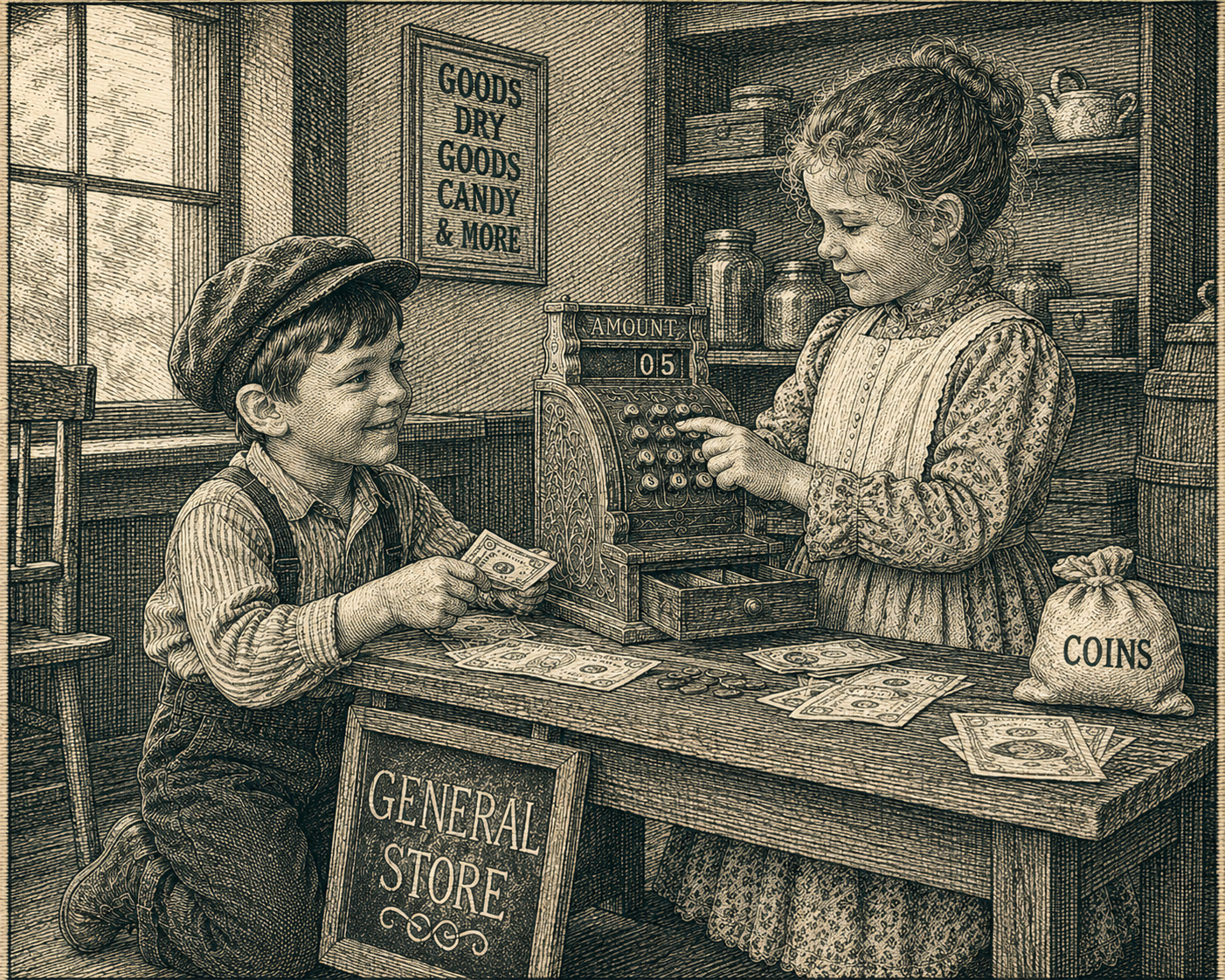
In the late 1800s and early 1900s, toy manufacturers began including paper money with children's cash registers, general stores, and board games. These miniature banknotes allowed children to imitate the world around them, learning basic arithmetic, counting, making change, and the concepts of buying and selling through pretend play. Long before computers and smartphones, play money was an educational tool found in many homes and classrooms.
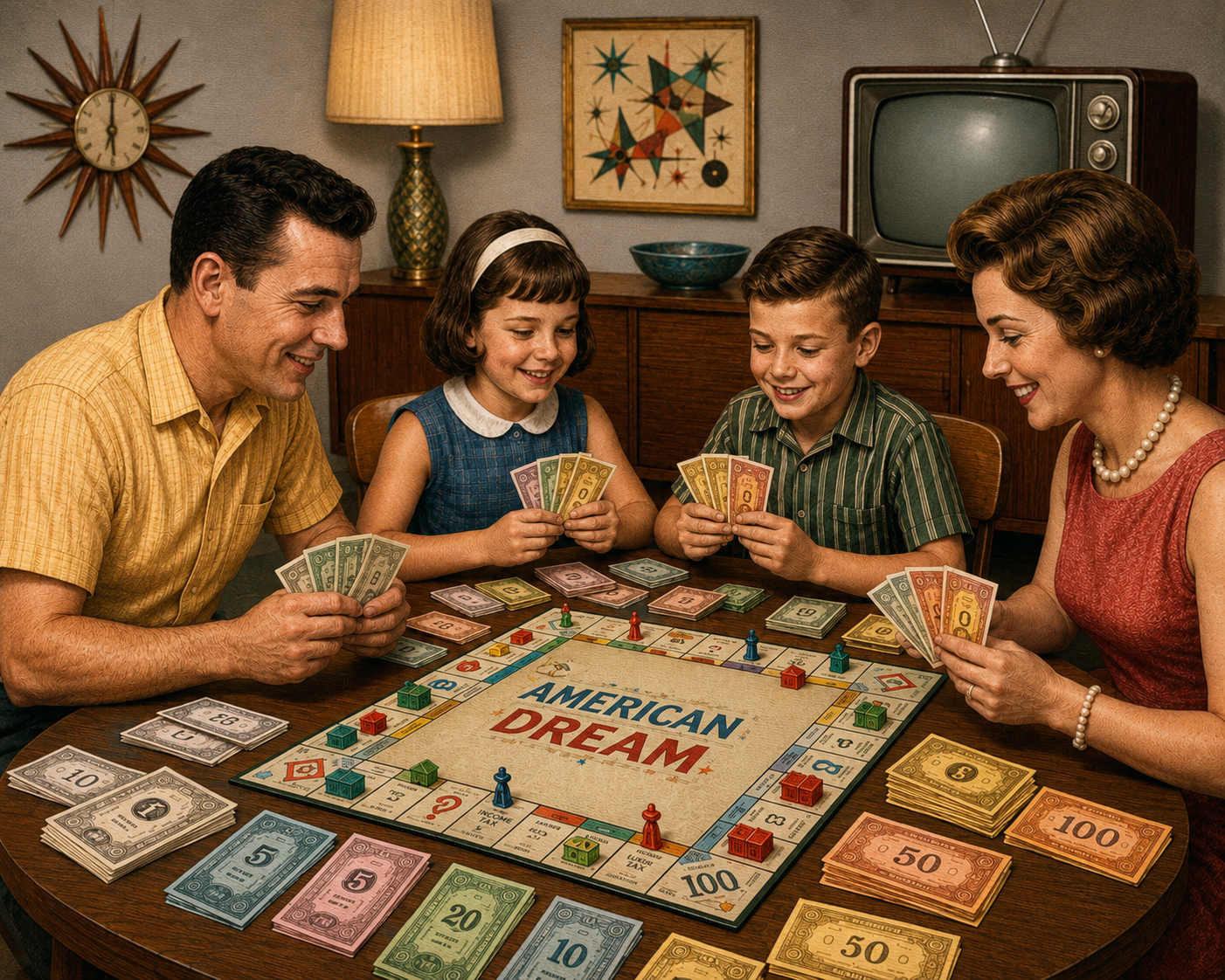
As board games grew in popularity, play money became a staple of family game nights. Countless players have negotiated trades, purchased imaginary properties, and built fictional fortunes using colorful paper bills. In these games, the money itself wasn't valuable—it was the strategy, competition, and shared experience that made it meaningful.
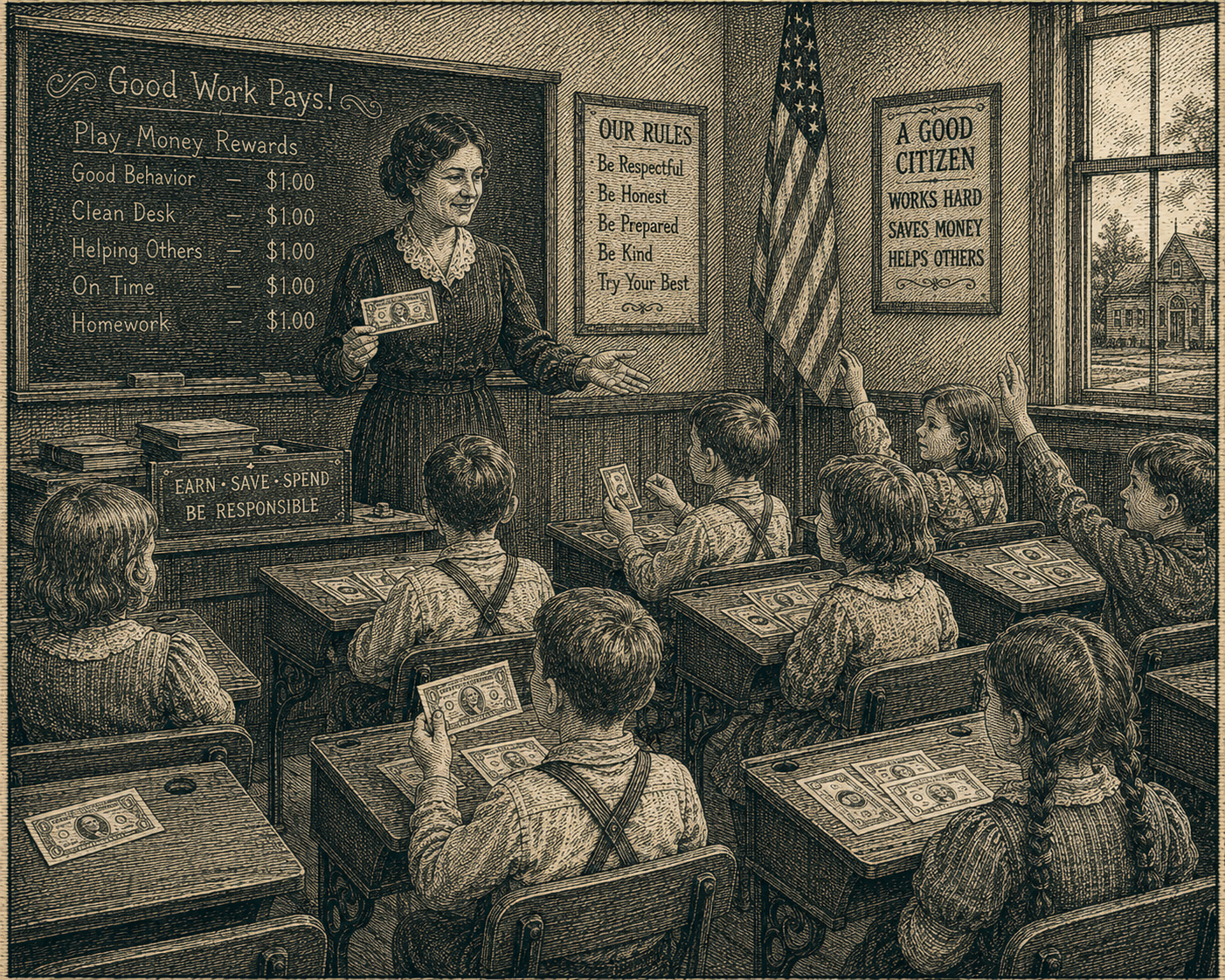
Teachers soon recognized its educational value beyond games. Schools around the world began using play money to teach financial literacy, budgeting, entrepreneurship, and math skills. Students could practice running classroom stores, balancing budgets, and making business decisions in a low-risk environment where mistakes became opportunities to learn.
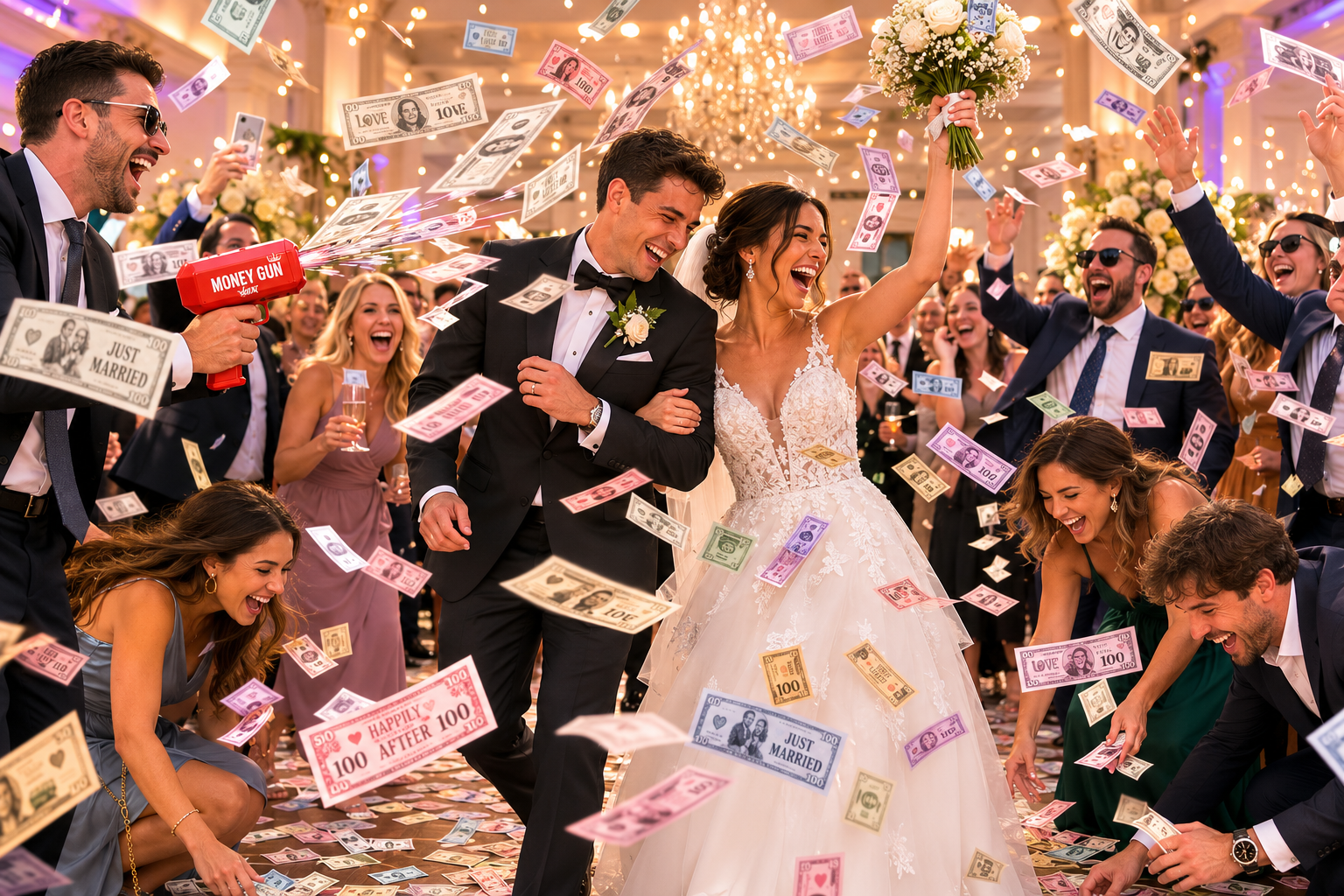
Play money has also found a place in celebrations. Today, customized bills are often created for weddings, birthdays, graduations, retirements, family reunions, and corporate events. Guests toss commemorative bills from money guns during grand entrances, collect them as souvenirs, or use them as part of scavenger hunts and prize drawings. Unlike real money, these keepsakes capture memories that can last long after the event has ended.
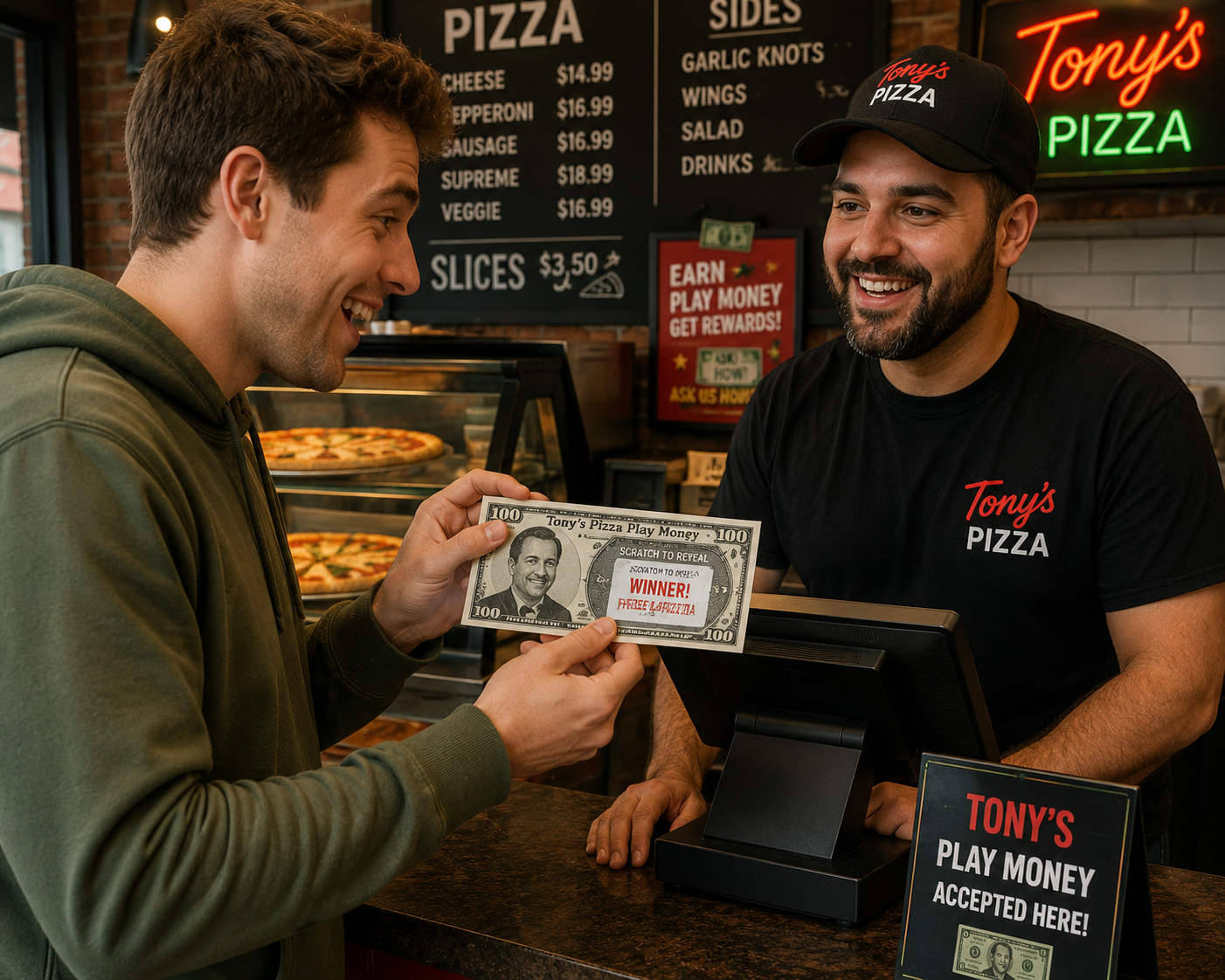
Businesses have embraced customized play money as a creative marketing tool. Promotional bills featuring discounts, QR codes, loyalty rewards, or collectible serial numbers encourage customers to engage with a brand in a fun and memorable way. Because the notes are unique and visually striking, many recipients keep them instead of throwing them away, extending the life of the promotion.
Collectors have even developed an appreciation for novelty currency. Limited-edition play money featuring artistic designs, fictional nations, holiday themes, historical tributes, or commemorative events often becomes part of personal collections, valued for its creativity rather than any monetary worth.
Today, play money continues to evolve. It appears in escape rooms, theater productions, educational workshops, charity fundraisers, film productions, photography props, casino-themed parties, promotional campaigns, and personalized gifts. While it holds no legal purchasing power, it represents something just as valuable: imagination, creativity, learning, and shared experiences.
In many ways, the true value of play money has never been about what it can buy. Its greatest worth lies in the stories it helps create, the lessons it teaches, the celebrations it enhances, and the memories people carry home.
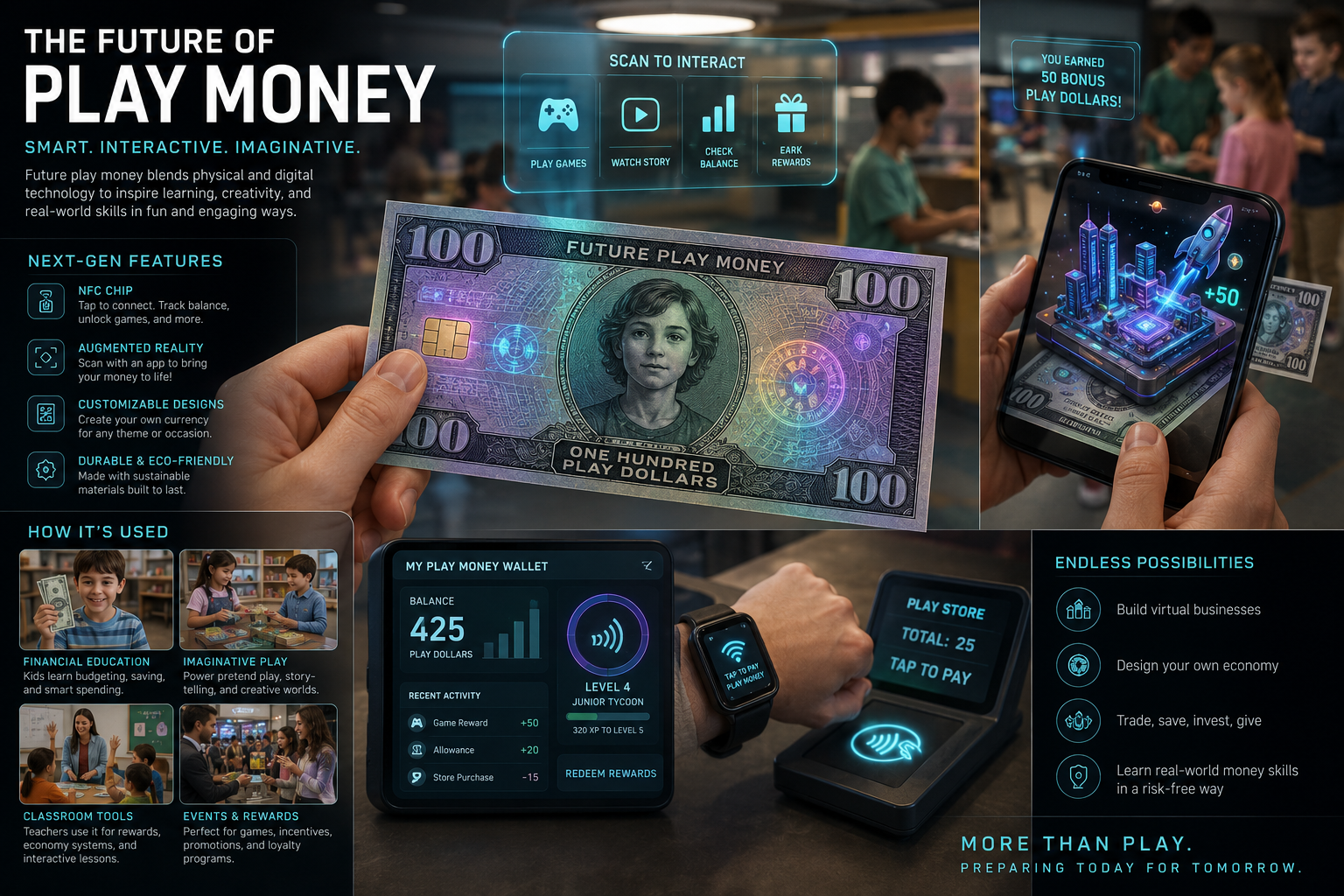
What does the future hold for play money? Find out by using our design wizard today!
Resources
Who we are
2026 © CustomPlayMoney. All Rights Reserved. Privacy Policy | Terms of Service